Why brands need to optimize their mobile apps and websites for AI
Until now, brands have built their digital experiences around Google's search algorithm, but experts say that must change as consumer behavior evolves.
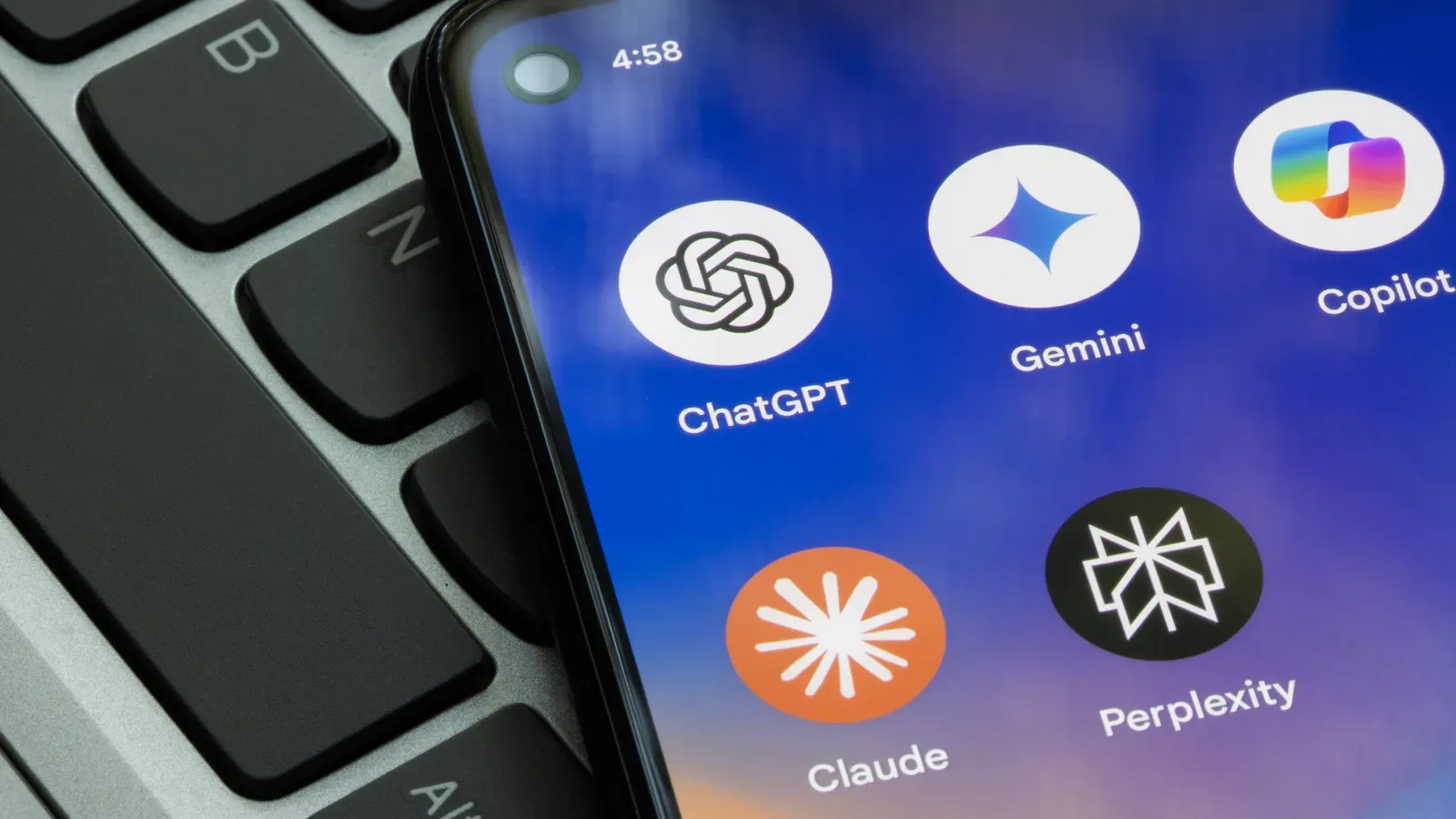
According to experts on CX Dive, when AI assistants like OpenAI's ChatGPT, Google's Gemini and Microsoft's Copilot increasingly act as intermediaries in the customer experience, brands must rebuild their mobile apps and websites to better support the use of these tools.
“I think in one to three years, the whole concept of using an app that you tap, swipe or manipulate to enter data will completely disappear” – Tobias Dengel, President of Telus Digital Solutions, said. “You will only want to use your voice.”
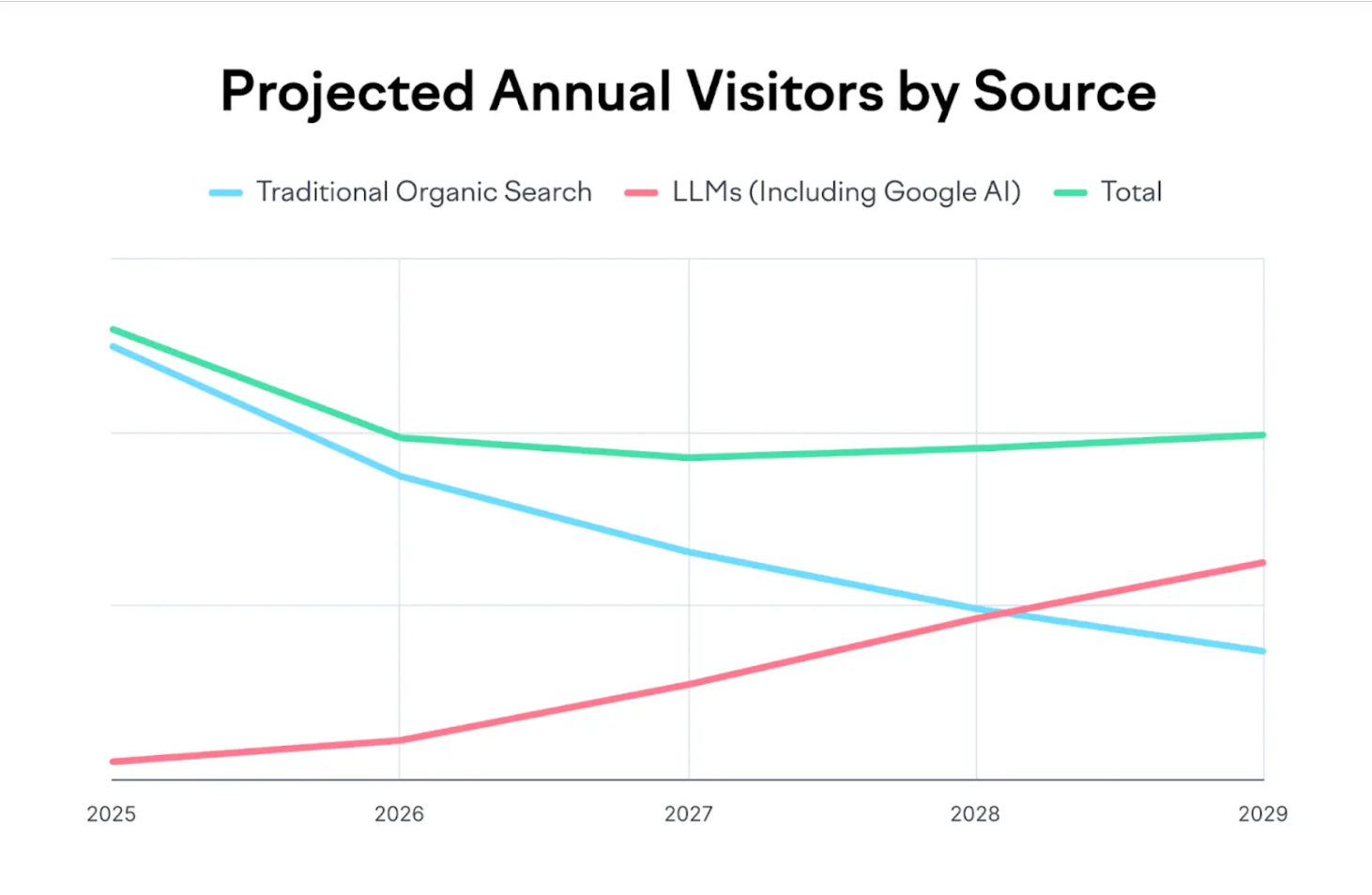
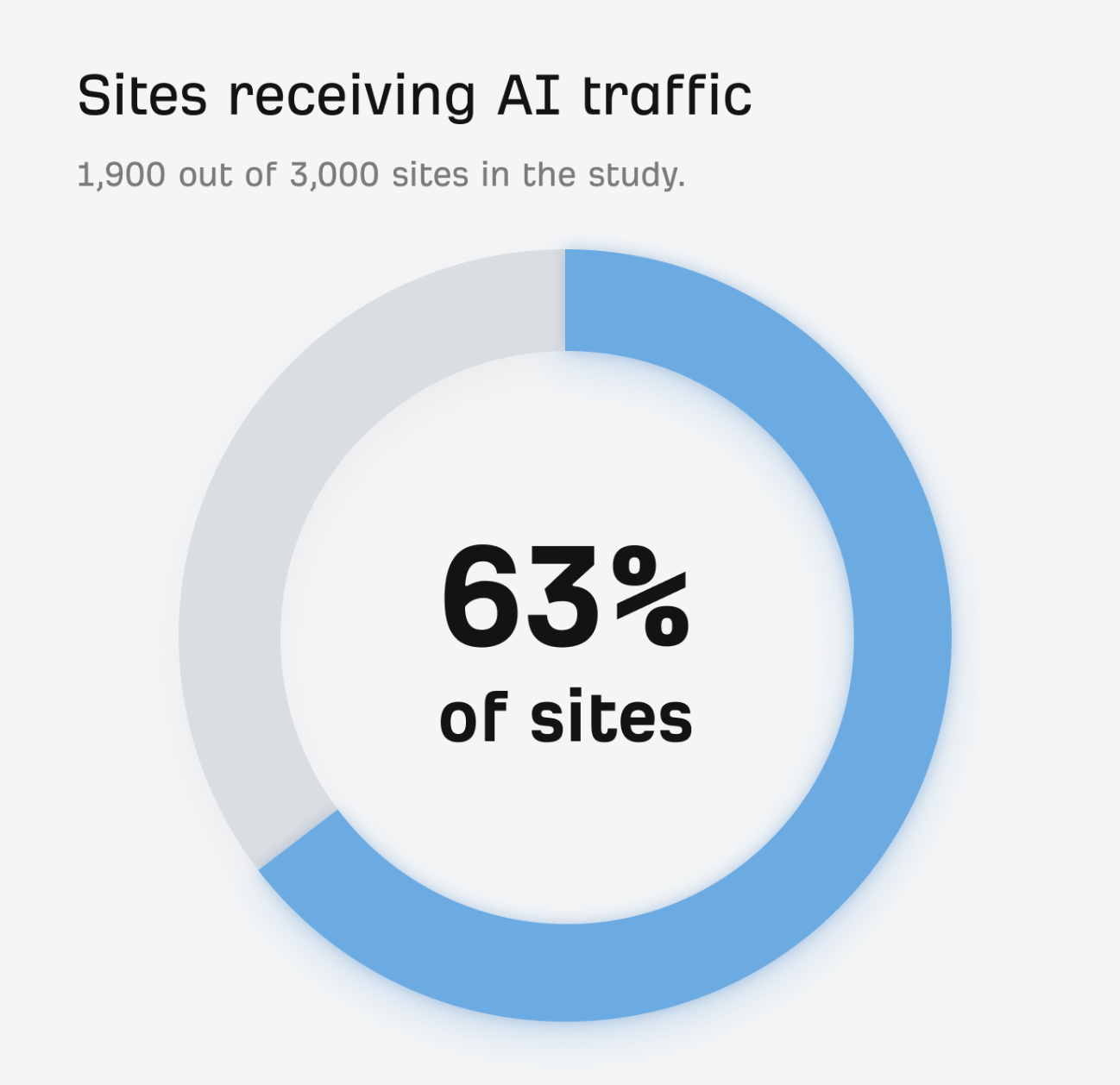
Technology is rapidly reshaping the customer journey, forcing brands to reconsider their digital strategies. AI assistants are the fastest-growing distribution channel, with AI search traffic forecast to surpass traditional search by 2028, according to research by Semrush. As of February, nearly two-thirds of websites were receiving traffic from AI, according to research by Ahrefs.
These trends are accelerating as technology companies integrate AI assistants into almost everything, from mobile apps and web browsers to operating systems, while brands such as Expedia and Spotify and Zillow begin building apps inside ChatGPT.
As a result, brands must make their mobile apps and websites discoverable and usable by AI systems, a process known as agentic search engine optimization, answer engine optimization or generative engine optimization. Although it shares many similarities with search engine optimization and marketing (SEO), this approach requires additional technical measures and much greater attention to detail.

This shift is similar to the technological turning points businesses have had to adapt to before. “Companies once had to think about AOL’s walled garden, then search engines, and later Google’s dominance” – Dengel said. “We are now in the early, fragmented stage, and brands need to experiment across many different platforms.”
AI alternatives
Brands built their mobile apps and websites on an internet environment governed by Google’s search algorithm rather than AI, focusing on digital assets they owned and controlled. However, that must change as consumer behavior shifts.
“The biggest mistake I see is that people limit their own perspective” – Jason Maynard, Zendesk’s Chief Technology Officer for North America and Asia-Pacific, share. “You have to think about the ecosystem around your digital experience, and most of it will take place on platforms you do not control.”
Today, mobile apps and websites are primarily designed to be found through traditional search engines and used by people. However, as more people rely on AI assistants to find information and take actions on their behalf, brands will need to make their digital assets easier for machines to read. For example, a consumer might ask ChatGPT to book a flight for them.
Today, AI agents must use resource-intensive methods such as taking screenshots and identifying X and Y coordinates to navigate websites built for humans. This can be slow, incomplete and error-prone, degrading the customer experience.
Brands can also suffer if they do not optimize their websites so AI can find them easily, just as they become invisible when they do not appear on the first page of traditional Google search results. “If you are not in the top three on Gemini, Claude or ChatGPT, you may see traffic drop sharply. Competition will therefore be extremely high” – Dengel noted.
Make brands easier to find
However, optimizing for AI is more complicated than SEO because this technology’s output is difficult to predict and does not depend as heavily on keywords as traditional search.
According to According toUnnati Narang, Assistant Professor of Business Administration at the Gies College of Business at the University of Illinois, the initial goal for many brands is to find ways to use AI-assisted search to direct customers to their owned channels, such as mobile apps and websites. In addition to making brands easier for AI systems to discover, optimizing for AI agents can improve brand consistency across different platforms. “That will reinforce the value the brand has created, wherever it is distributed” – Narang said.
However, the extent to which brands want to integrate third-party AI assistants into their digital customer experiences will vary depending on their needs and internal capabilities. “Smart brands will play on both sides” – Dengel commented. “They will say: ‘I need a strong presence where searches happen, but whenever possible, I still want consumers to come directly to me.’”
According to Maynard, businesses should begin by investing in digital hygiene so their websites are easier for AI agents to crawl. This can include:
- Designing a clear website structure so AI agents can understand the hierarchy and content, including headings, paragraphs, images, links and forms.
- Ensuring HTML tags are used correctly.
- Providing high-quality metadata, including clear labels and descriptive alt text.
- Vectorizing images to ensure accurate display across platforms.
Brands should also create plain-text files to control how AI models and agents interact with their web content. These AI.txt files are similar to Robots.txt files that businesses use to tell search engines which pages or content they may or may not access.
Besides, semantic HTML can help brands provide AI systems with more detailed information about the content on their websites. “You can guide artificial intelligence toward the conclusions you want on your website, based on your data and information,” Dengel said. Dengel said.
While AI assistants are changing consumer behavior, brands don't have to stay on the sidelines. “But ultimately, consumer preferences will determine where this goes” Maynard said. “We may be in a state of chaos for a long time because we do not have the infrastructure. We will simply use all of these user interfaces.”
Ngoc Hanh (According to Marketing Dive)