More than just social media: Short videos are redefining the way retail connects and sells
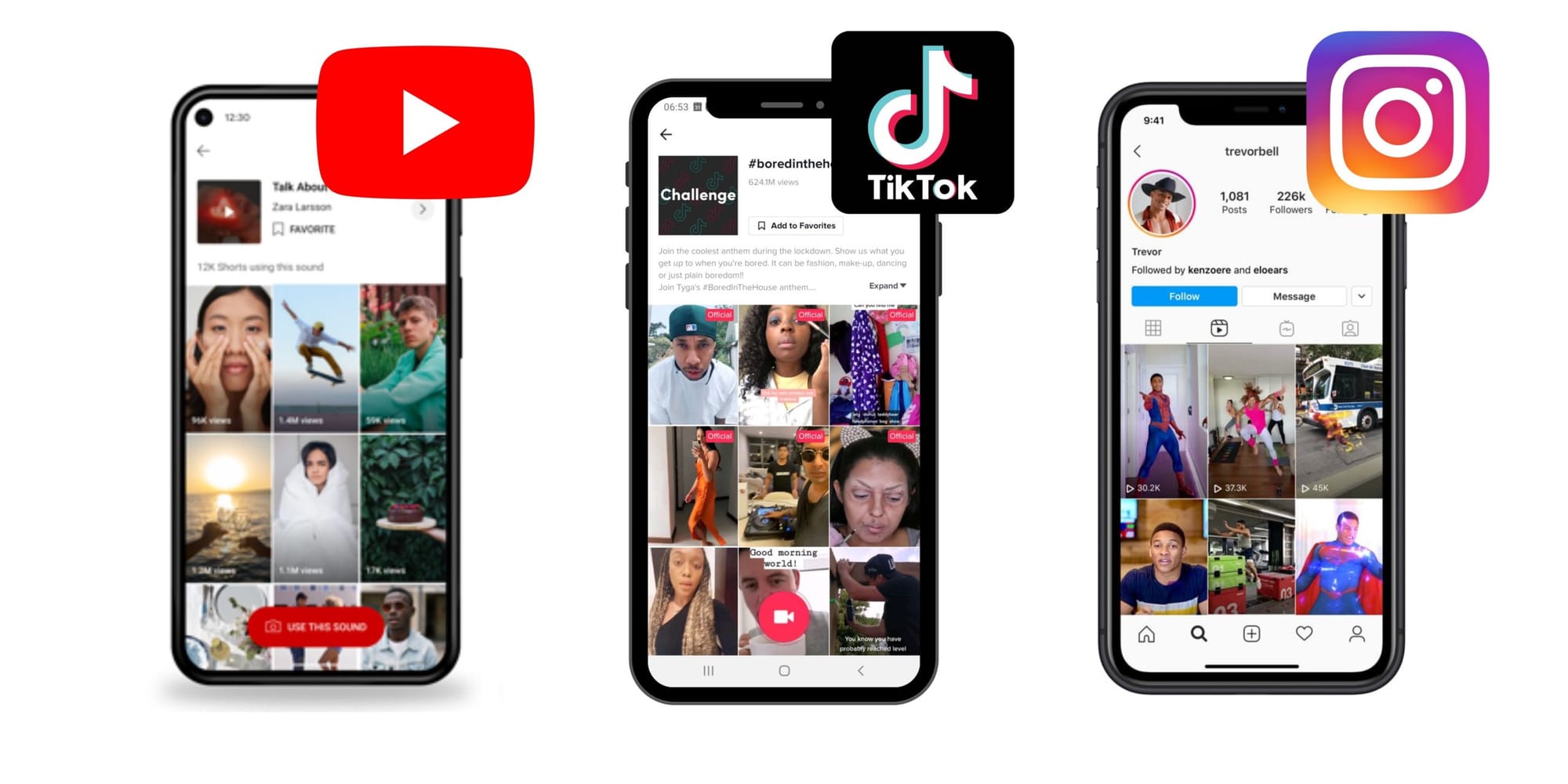
In recent years, video platforms have not only created new entertainment habits, but also shaped a "norm" for global content consumption. “TikTokification” was created to describe this phenomenon: when short, vertical, personalized, and instantly engaging video becomes the norm for how users discover, entertain, and even shop.
Background and rise of “TikTokification”
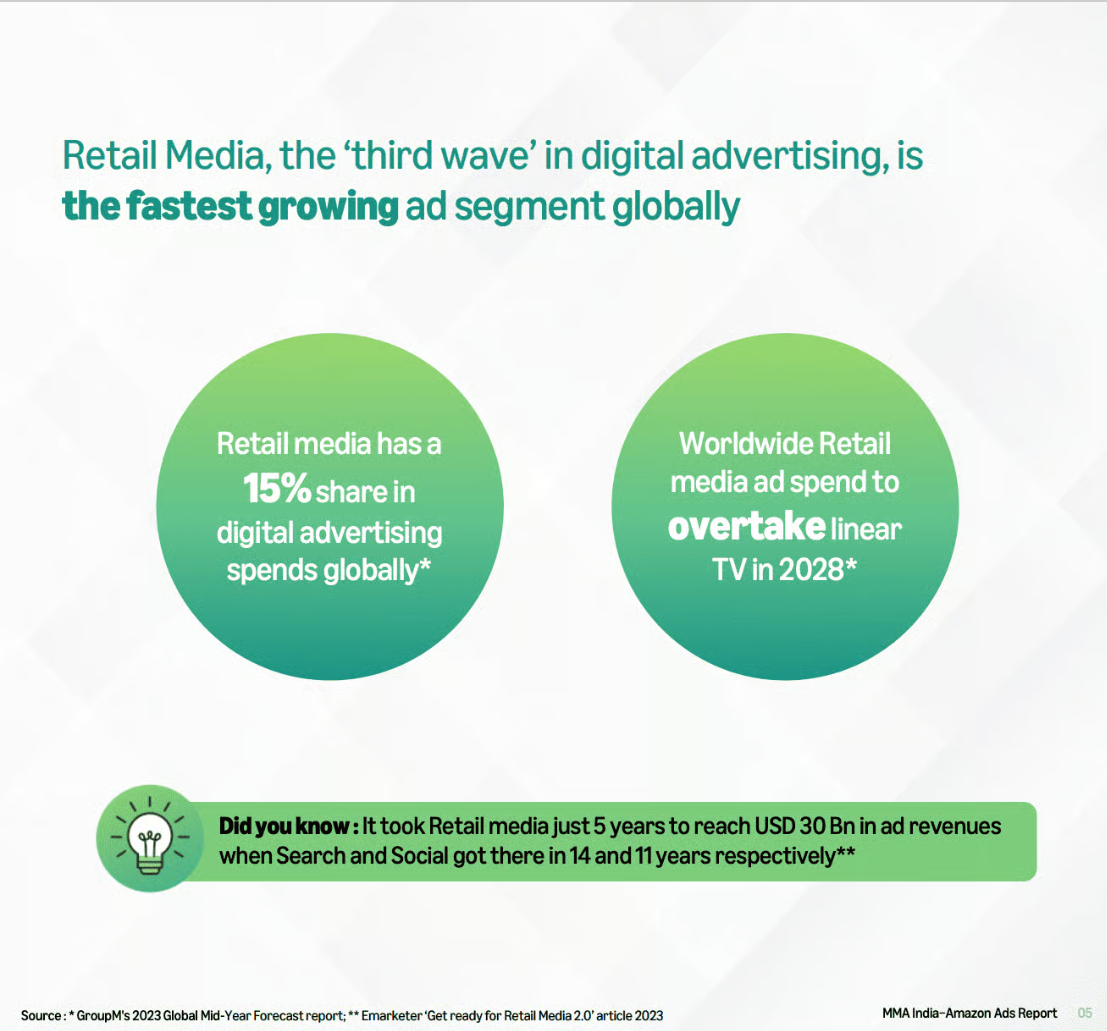
Retail Media Network (RMN), also known as the retail industry media network, is an advertising ecosystem built directly on the data platform and retail channels. “Retail Media 2.0” belong to MMA coordinate together Amazon Ads February 2025 recorded that the global retail media budget reached a milestone 45 billion USD and is expected to surpass investment in television advertising by 2028, becoming the fastest growing advertising segment.
Currently, RMN operates mainly based on traditional advertising formats such as banners, search ads or static carousels.
However, the rise of short videos has opened up a new opportunity that makes product discovery behavior no longer linear but guided directly by content.
According to Colin Lewis, retail media expert, Director at Retail MediaWorks and Editor-in-Chief of Retail Media Internet Retailing, videos deliver huge impact, like a “motivation creates demand”. He emphasized:“TikTok combines discovery and conversion in one experience creating a completely new dynamic, because before there was always a gap between discovery and purchase.” Lewis also believes that the development of high-quality screens and 5G networks is the trigger for this trend, something that was not possible 5 or 10 years ago.
However, most of RMN's traditional formats have not been designed for this world.
Principles for applying the word “TikTokification” to retail communications
1. Prioritize authenticity
In the retail media landscape, authenticity has become a key factor, especially for younger generations of consumers, who are sensitive to forced advertising content.
However, most RMNs today still operate according to the traditional model, depending on advertising assets provided by brands or agencies.
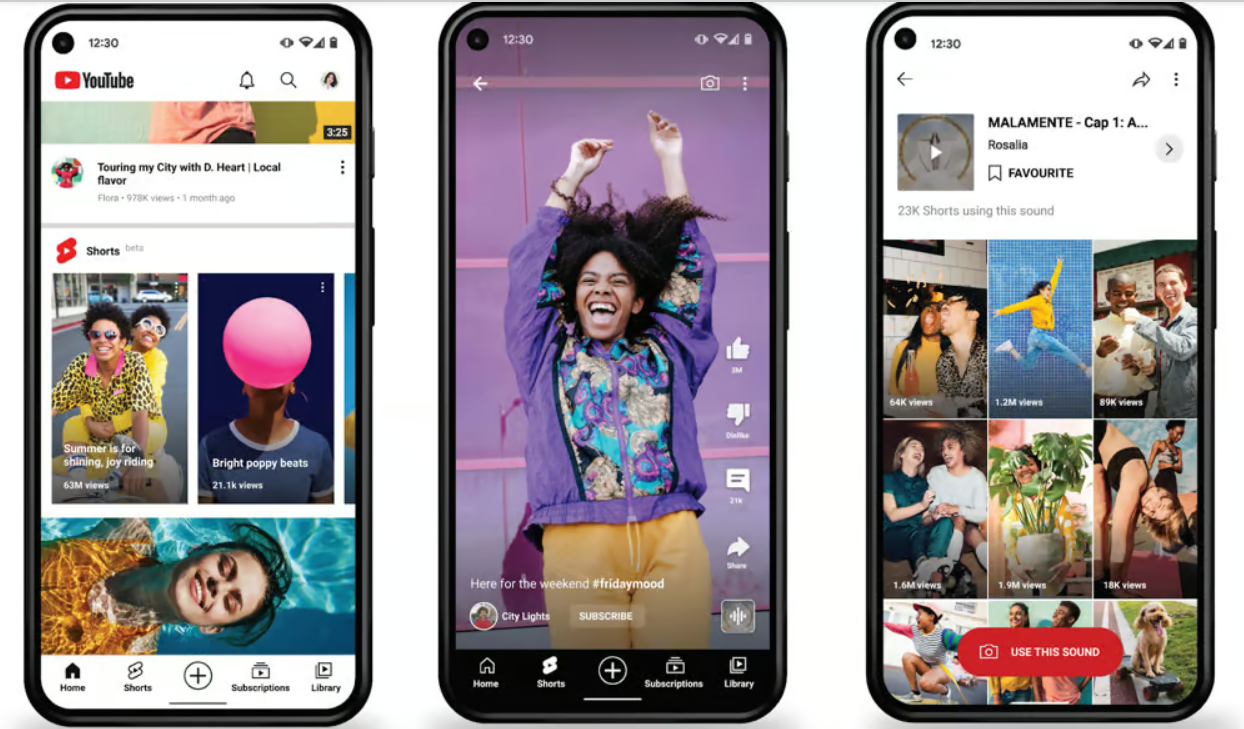
Viv Craske, Retail Media and Digital Commerce expert, commented: "Every time you compare a professionally produced ad to a TikTok feed, the difference becomes clear. The challenge for agencies, retailers and brands is to create authentic content that fits the retail media environment."
This creates an urgent need: RMN's creative processes need to be restructured to prioritize authenticity.
With RMN, integrating native video, expanding vertical formats, and promoting storytelling content not only enhances campaign effectiveness but also helps the system remain competitive in a media environment that is increasingly focused on user experience.
2. Expand your influence as a communication channel
The role of influencers is increasingly recognized in lean marketing strategies, replacing mass advertising with personalized and localized approaches. Fernando Fernandez, new CEO of Unilever from 2025 commented on the role of influencers and new marketing approaches this is it “a system of marketing activities in which other people can represent the brand on a large scale”.
To make the most of this potential, RMN needs to learn from social media platforms on how to operate a creative marketplace where it is easy to select and connect with content creators.
A typical example is Walmart Connect, the retail media network of Walmart in America. Walmart Connect has started developing the platform Walmart Creator Integrate creators and influencers into your communication strategy, not just with banners or traditional search ads. Walmart, this RMN can provide shopping experiences through realistic and interactive short videos right in its environment.
Financial statements for fiscal year 2025 (ending January 2025) show the consolidated revenue of Walmart reaching approx 681 billion USD. Walmart Connect 2024 has brought 4.4 billion USD revenue with profit margin ~70%, contributed approx 10% Walmart's operating profit, and expected to increase 16% in 2027. This shows Walmart is making good use of digital advertising platforms and the support of creators/influencers in the retail network.
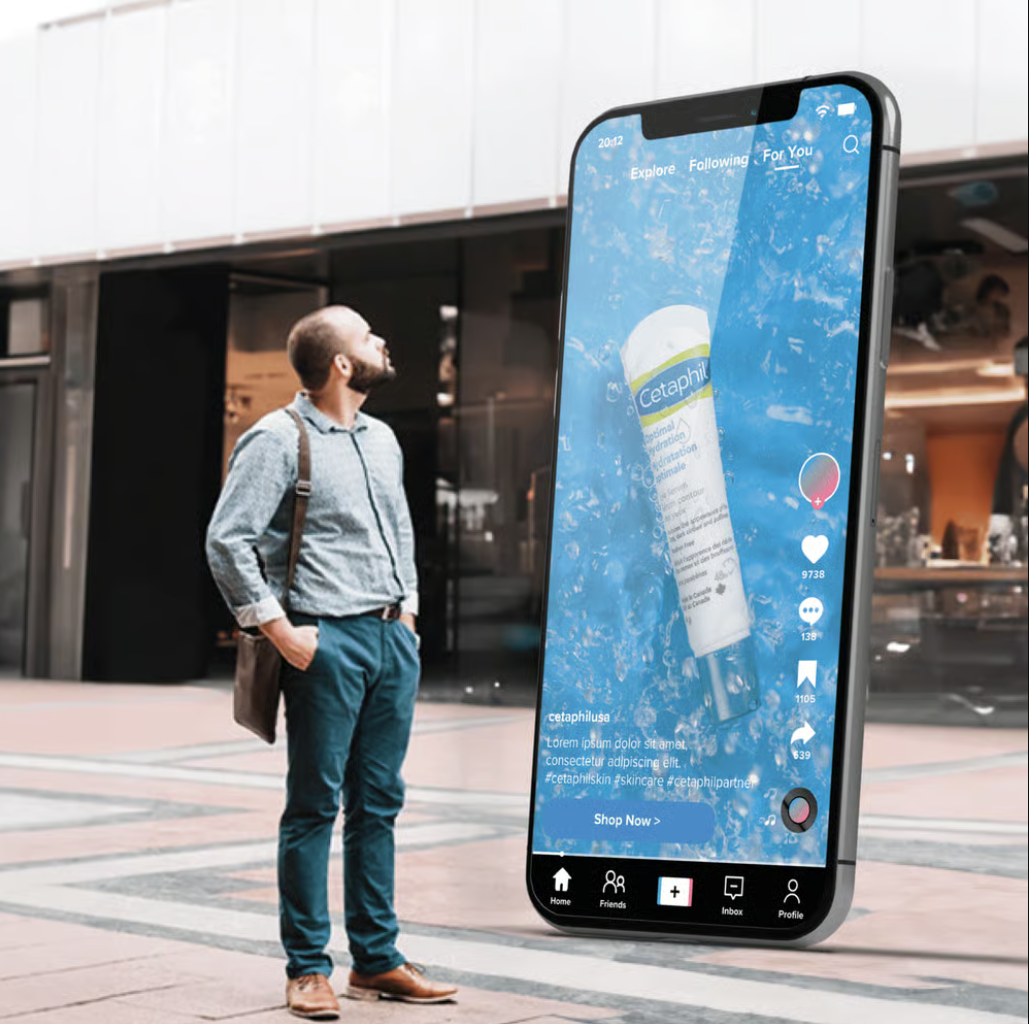
3. Create “shoppable” direct shopping capabilities
The concept of the “add to cart” button as a call to action (CTA) in digital advertising has existed for a long time, but has not been widely implemented in the past. Viv Craske shows important changes: "Today, we realize that every piece of content needs to be clickable and instantly buyable. Users need the ability to click through and be presented with a full range of product options from a retailer. This is a key opportunity for retail media: they can leverage offsite channels, but at the same time ensure that each piece of content leads the consumer directly back to the store to complete the transaction."
The ability to “shopp” any content format reflects a shift in consumer behavior that prioritizes immediacy.

In the Vietnamese market, Shopee and Lazada are good examples of RMNs that have implemented an effective “shoppable” mechanism.
This not only creates a seamless customer journey, but also helps retailers leverage first-party data to personalize the experience.
If in the early stages, RMN simply exploited advertising space in the retail ecosystem, now, they have become a direct bridge between inspiration and shopping action.
In the era of "TikTokification", retail media is no longer a digital billboard along the shopping street, but a living media-commerce ecosystem, where every video, every story can become an order.
Ngoc Hanh_Advertising Vietnam