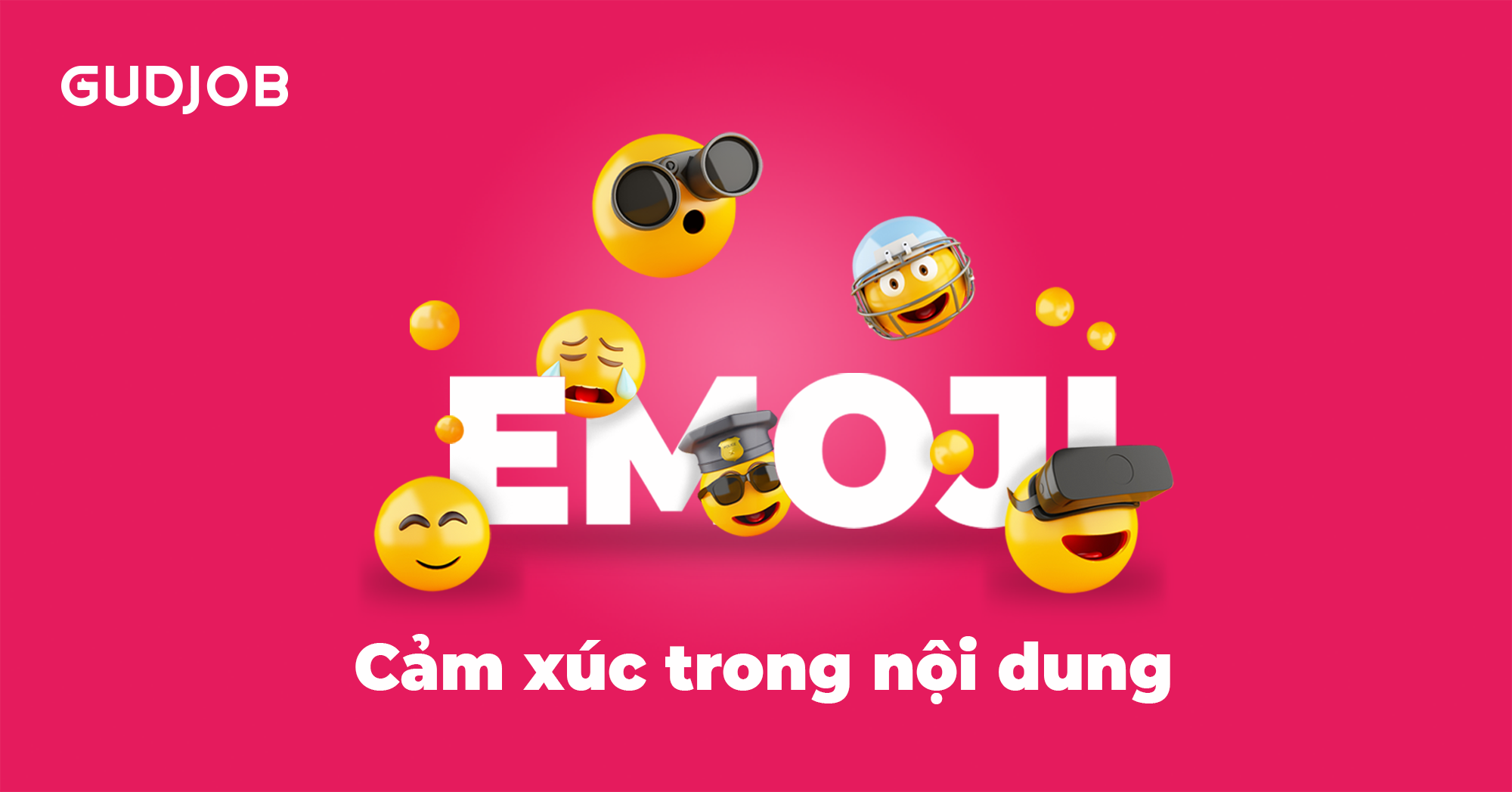
Emoji: Emotions in content
The content you see on online media sites can be divided into visual content and textual content.
That's just about images, so what if we combine visual content with text content?
What age group are your customers?
Do you know Emoji?
Before becoming widely known, Emoji was first created by a marketing agency in Japan in the 1990s.
Initially, they were used as basic emoticons created from characters popular on the internet at the time.
Today there are 1,620 emojis across all iOS and Android keyboards with new ones joining the lineup every year.
Emoji vs.
Emoticons may sound quite strange, but in fact, before we used existing symbols as a habit, emoticons were born first.

And with the breakthrough in social networks and technology, emoticon is now used as a keyword to display emoji.

Emojis are increasingly aiming for deeper and more realistic emotions than before.

Why should you use emojis in content marketing?
Customer emotional value
If you follow a lot of brands on social media, you've noticed that more and more of them are using emojis in their customer responses and brand communications.
Why do people use emojis to communicate with their friends and family?

Emojis make people want to get in on the action, they stand out among regular text posts and appear somewhat friendly and relatable.
Using emojis in content will also be extremely emotional and add context.
In addition, some emojis also have a very high "Call to action" quality in their content, including symbols that represent gestures and actions ? ?☝️???

Personalize the brand
Using emojis in your messages can add a level of personality and relatability to your brand.

On more professional platforms like LinkedIn, using emojis can help your brand stand out in a flood of text posts.
Before sticking a bunch of emojis in your messages, carefully understand your customer insights and use emojis in the most appropriate and attractive way possible.
Tips: Use Emoji effectively in Social Media
Emojis and social media complement each other perfectly.
Encourage participation and interaction
Asking your followers to interact with your posts with emojis is an easy way to encourage engagement.
This works especially well on primarily mobile apps like Facebook and Instagram, where users have quick access to their emoji keyboard.
Facebook believes in the power of emojis so much that they created their own emoji system – reactions, to drive engagement.

Emphasize main content
Or simply, you can attract attention right from the title of the article with emoji, or use emoji to highlight promotion lists, event content or requirements to participate in minigames, business contact information... Use emoji to emphasize a specific point you want, and learn how to use them smartly.

Emoji should not be abused!
While emojis can be a great way to increase customer emotional value and humanize your brand, overusing them or using them in an unappealing, redundant way will also alienate your audience from your brand.
The special thing is that you must put yourself in the mindset of a customer reading this article.
Before adding emojis to your marketing strategy, ask yourself if it fits the tone & mood of your brand.
Especially with some industries and fields that need seriousness and formality, the use of emoji should be selective, typically the hotel and restaurant industry, real estate, etc.

Use emojis wisely and let your customers know!
Choose emojis for your customers…
Ultimately, the most important thing is to understand who your audience is, to know how they will react to the emoji-containing ad content you choose.
Learn about where your audience is most active and how they engage with your existing posts.
Understand your customers and choose personalized emojis that suit them when creating content on social networks!